

Why Rosewood Binding Is a Favorite for Guitar Makers?
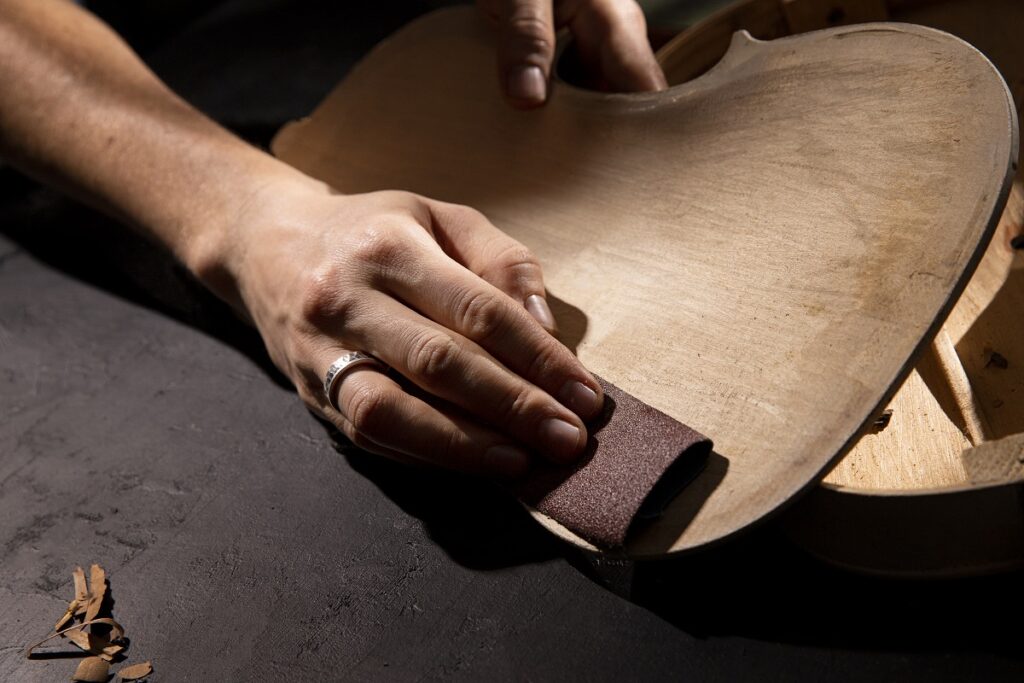
In the world of guitar making, every element plays a crucial role—tonewoods, bracing, finishes, and even the smallest details like the binding. Though often overlooked by casual observers, the binding of a guitar is one of the most telling signs of a luthier’s attention to detail and craftsmanship. Among the many options available, rosewood binding stands out as a favorite for many guitar makers around the globe.
Table of Contents
- The Role of Binding in Guitar Making
- Aesthetics That Never Go Out of Style
- Durability and Protection
- Rosewood and Acoustic Resonance
- Pairing with Other Guitar Components
- Tradition and Prestige
- Sustainable Sourcing Considerations
- Customization and Artistic Flexibility
- Final Thoughts
- Frequently Asked Questions
This natural wood detail not only offers visual appeal but also supports the guitar’s structural integrity. Its use is particularly prominent in premium and custom instruments, where aesthetics and durability are equally important. Let’s explore what makes rosewood binding such a highly regarded choice and why it remains a staple in quality guitar construction.
The Role of Binding in Guitar Making
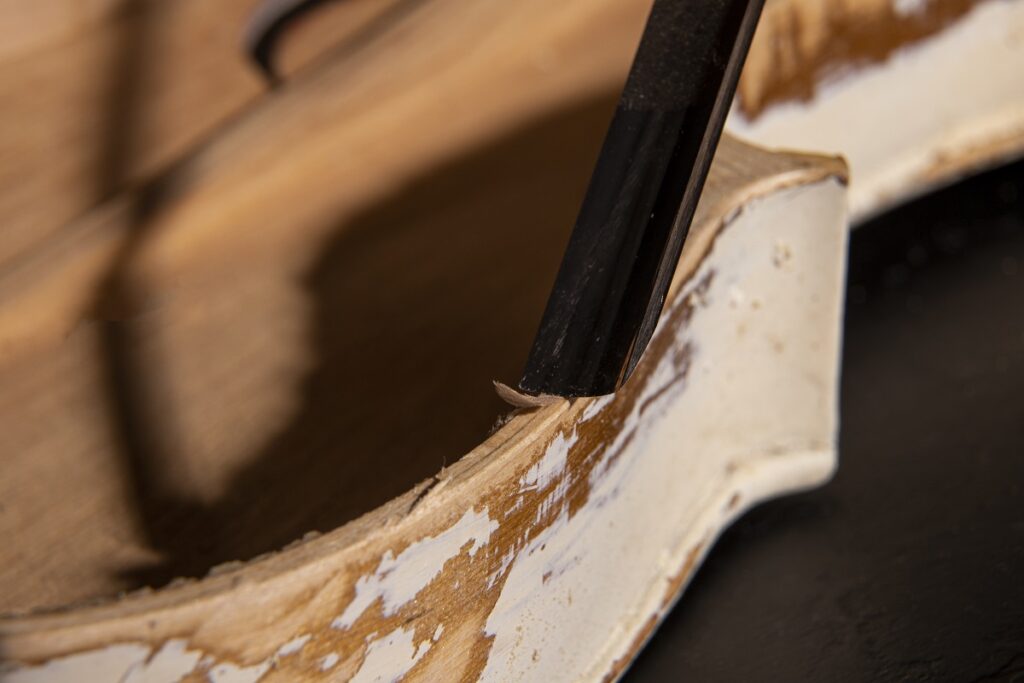
Before diving into the reasons behind the popularity of rosewood binding, it’s important to understand what binding does. Binding refers to the narrow strips of material applied to the edges of a guitar body, and sometimes the neck or headstock. These strips protect the guitar’s vulnerable edges from impact damage, moisture intrusion, and separation over time.
While synthetic materials such as ABS or plastic are frequently used for their ease of application and affordability, natural wood options—especially rosewood—are prized for their durability, tonal neutrality, and aesthetic richness.
Aesthetics That Never Go Out of Style
The visual impact of rosewood binding is often the first thing that catches a guitar enthusiast’s eye. Rosewood has a rich, dark hue that ranges from deep brown to purplish-red, often featuring striking grain patterns. These natural colors and textures make each application unique, giving every instrument a distinctive appearance.
When paired with lighter tonewoods like spruce or cedar, rosewood offers a beautiful contrast. With darker woods like mahogany, it provides a seamless, luxurious look. This versatility makes rosewood guitar binding a preferred choice for both traditional and modern designs.
Beyond its color, the grain of rosewood adds a touch of organic elegance that synthetic materials can’t replicate. The natural patterns and variations create a handcrafted aesthetic that many guitarists and collectors seek.
Durability and Protection
While its appearance is certainly appealing, the functional advantages of rosewood binding are equally compelling. Rosewood is a dense, oily hardwood, naturally resistant to wear, cracking, and environmental changes. These qualities make it ideal for protecting the most delicate parts of a guitar—the joints and edges.
Guitars are often subjected to varying humidity and temperature conditions, especially when they’re used by touring musicians or stored in less-than-ideal environments. The edges, in particular, can swell, shrink, or even separate over time if not properly reinforced. Rosewood binding helps prevent these issues by providing a stable, durable barrier that holds the structure together.
Furthermore, rosewood ages gracefully. While plastic bindings can become brittle or discolored, rosewood tends to develop a beautiful patina that enhances the guitar’s character over time.
Rosewood and Acoustic Resonance
Though bindings are not primarily chosen for their acoustic impact, some luthiers and players argue that natural wood options like rosewood contribute to the tonal performance of a guitar. Being a dense wood, rosewood may slightly influence the vibration transfer between the top and sides of an acoustic instrument, leading to a more cohesive resonance.
While the effect may be subtle and not always measurable, many guitar makers feel that rosewood guitar binding adds to the overall quality and feel of an instrument. It’s another way in which every detail contributes to the holistic sound and playability of a well-made guitar.
Pairing with Other Guitar Components
One of the major benefits of rosewood binding is how well it integrates with other common rosewood components. Many guitars feature rosewood fingerboards, bridges, or even backs and sides. When binding matches these elements, the result is a harmonious and refined aesthetic.
This consistency in material choice enhances the guitar’s visual flow and gives it a more unified, deliberate look. For builders focused on creating heirloom-quality instruments, this kind of visual coherence is highly desirable.
Tradition and Prestige
The use of rosewood binding is not a new trend. It has a long-standing history in high-end and custom guitar builds. From classical instruments to steel-string acoustics and even select electrics, tonewoods has maintained a place of prestige in guitar design for decades.
Its association with fine craftsmanship, attention to detail, and tonal excellence has made it a hallmark of superior instruments. For many players, the presence of rosewood guitar binding signals that the guitar was made with care, using premium materials.
Sustainable Sourcing Considerations
There’s no denying that rosewood, especially species like Brazilian rosewood, has been at the center of sustainability discussions. Due to overharvesting in the past, regulations now limit the international trade of certain species under CITES. However, responsibly sourced alternatives—such as Indian rosewood—are still widely available and commonly used in guitar making.
Reputable luthiers and tonewood suppliers and manufacturers are increasingly choosing certified, sustainable sources for their rosewood supply. This means that today’s rosewood binding can be both luxurious and environmentally responsible.
Customization and Artistic Flexibility
One of the reasons luthiers love working with rosewood is the artistic freedom it allows. Rosewood can be shaped, polished, or even inlaid with decorative purfling to create unique visual effects. It’s compatible with a wide range of design styles, from minimalist to highly ornate.
This creative flexibility allows makers to express their artistic vision through edgework, using rosewood binding as a canvas for fine detailing or subtle enhancement. Whether it’s a clean edge or one accented with abalone or herringbone purfling, rosewood adapts beautifully to the builder’s intent.
Final Thoughts
Rosewood binding has rightfully earned its place as a favorite among guitar makers. Its blend of aesthetic beauty, structural strength, and historical prestige makes it a top-tier choice for builders who refuse to compromise. While synthetic and alternative materials may serve their purpose in mass production, rosewood remains a symbol of craftsmanship and quality.
From the studio to the stage, guitars adorned with rosewood guitar binding not only perform at the highest levels but also tell a story of tradition, artistry, and attention to detail. For players and makers who value every aspect of an instrument, this elegant edge detail is more than just decorative—it’s foundational.
Frequently Asked Questions
What does rosewood binding do for a guitar?
It strengthens the guitar’s edges, protects against environmental damage, and adds visual elegance. It also complements other rosewood components on the instrument.
Is rosewood guitar binding better than plastic or synthetic alternatives?
Rosewood offers a more natural appearance, greater durability, and a handcrafted aesthetic that many musicians and builders prefer over synthetic options.
Does rosewood guitar binding affect the guitar’s sound?
Its influence on tone is subtle, but some luthiers believe rosewood may enhance overall resonance and sustain due to its density and acoustic properties.
Is rosewood binding environmentally friendly?
Yes, when sourced responsibly. Many builders use Indian rosewood or reclaimed wood, complying with international sustainability regulations.
Can I add rosewood guitar binding to an existing guitar?
Yes, but it requires professional expertise. Retrofitting a guitar with new wood edging involves precision work and may impact the instrument’s finish.