
What No One Tells You About Senior Pet Care in Encino
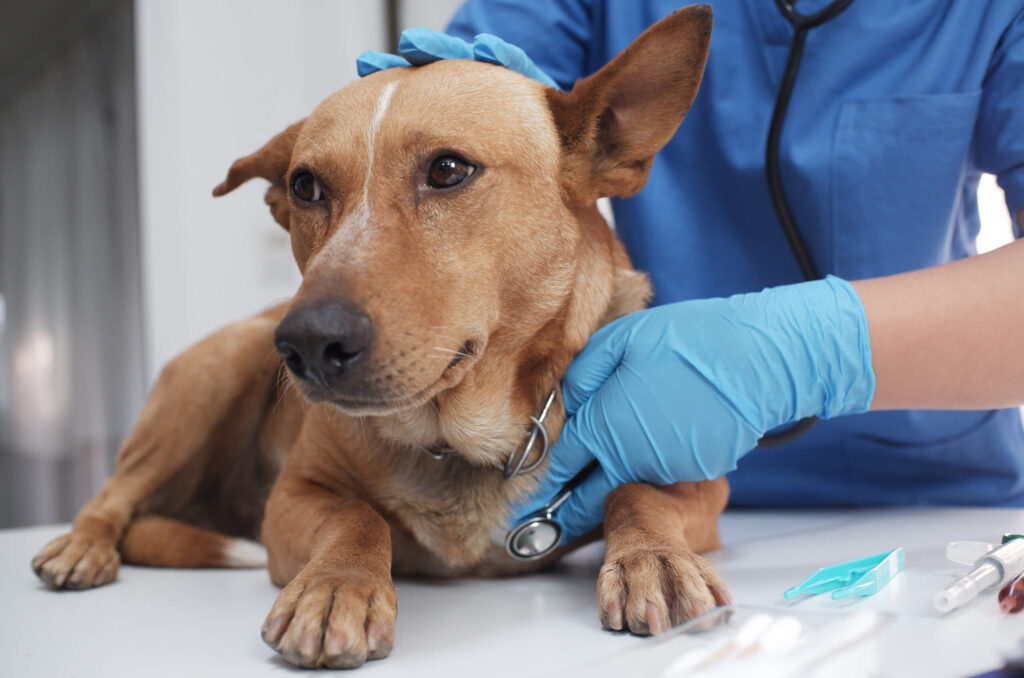
Most pet owners know their dog or cat will slow down as they get older. They expect the grey muzzle, the longer naps, the slightly stiffer mornings. What they do not expect is how quickly things can change, and how much of what matters most in senior pet care nobody ever told them upfront.
Table of Contents
- The Transition Happens Faster Than You Think
- Annual Visits Are No Longer Enough
- Blood Work Is Not Optional at This Stage
- Pain Is Being Hidden From You
- The Nutrition Conversation Changes Completely
- Dental Disease Gets More Serious With Age
- Cognitive Changes Are Real and Often Missed
- Frequently Asked Questions
Senior pet care is not just routine care done more frequently. It is a fundamentally different approach to veterinary medicine, one that requires more attention, more nuance, and a deeper relationship between the pet, the owner, and the veterinary team than any other life stage demands.
For pet owners across Encino and the San Fernando Valley, finding a trusted senior pet hospital in Encino that genuinely understands what aging dogs and cats need, and what their owners need, makes a difference that shows up in both quality and length of life.
Here is what most people are not told about senior pet care until they are already in the middle of it.
The Transition Happens Faster Than You Think
This is the thing that catches most pet owners off guard.
Dogs are generally considered senior from around seven years of age. Cats from around ten. But the shift does not happen gradually over years; it can happen in months. A dog that seemed entirely normal at their annual wellness visit can present with early kidney disease, a heart murmur, or significant dental disease just six months later.
This is not because something went catastrophically wrong. It is because aging in pets accelerates in ways that are genuinely hard to predict, and because many of the conditions that develop in senior animals are silent until they have already progressed significantly.
Senior pet care in Encino that accounts for this reality means more frequent visits, more proactive diagnostic screening, and a veterinary team that is actively looking for early signs rather than waiting for owners to report obvious symptoms.
Annual Visits Are No Longer Enough
Here is something many pet owners only discover when it is too late to act on it early.
Annual wellness visits are appropriate for healthy adult pets. For senior pets, twice-yearly visits are the minimum, and for pets managing existing health conditions, more frequent check-ins may be necessary.
The reason is straightforward. Conditions common in older animals- kidney disease, hyperthyroidism in cats, diabetes, cardiac disease, arthritis, and cognitive dysfunction- can develop and progress significantly within a six-month window. Catching them at a six-month check-in rather than a twelve-month one changes treatment options and outcomes meaningfully.
A senior vet in Encino who recommends twice-yearly visits for your aging pet is not trying to increase appointment frequency for its own sake. They are responding to the biological reality of how senior animals age and how the most common senior conditions actually progress.
Blood Work Is Not Optional at This Stage
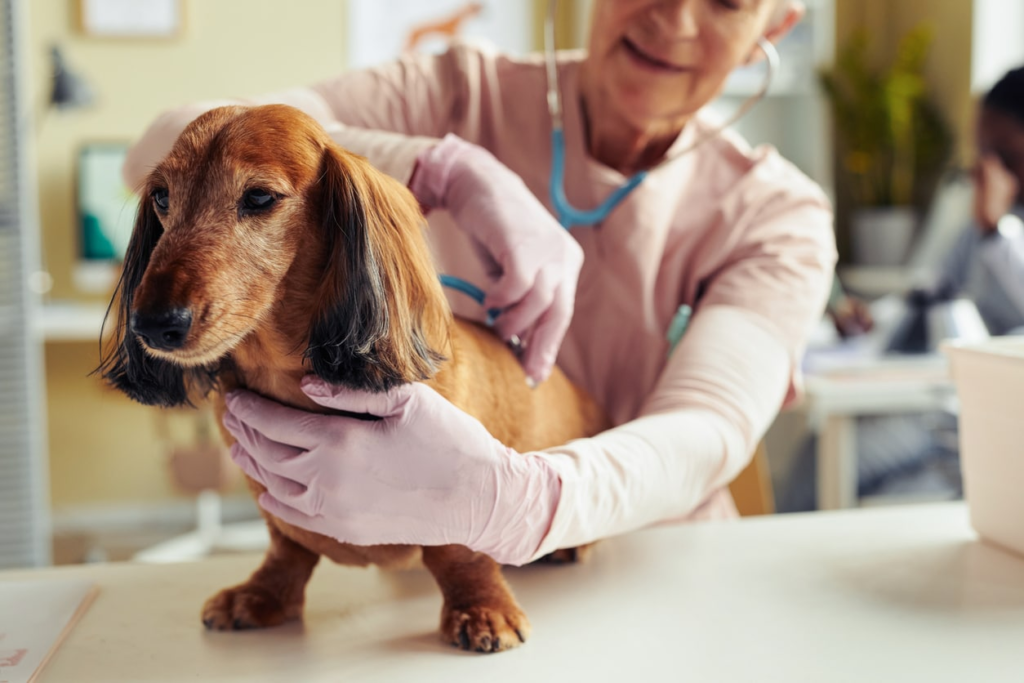
Many pet owners think of blood panels as something the vet suggests when something seems wrong. In senior pet care, blood work is a routine part of every wellness visit, not a diagnostic response to a problem.
Regular blood panels in senior pets establish baselines and track changes over time. They reveal what is happening inside your pet’s body at an organ level, information that no physical examination alone can provide.
Early kidney disease in cats, for example, produces almost no visible symptoms until a significant portion of kidney function has already been lost. Blood panels catch it early, when dietary management and supportive care can meaningfully slow progression. Without regular testing, the diagnosis often comes when the condition is already advanced.
At a senior pet clinic in Encino, comprehensive blood panels and urinalysis are standard components of every senior wellness visit, not optional add-ons. This proactive approach is one of the most impactful things that separates genuinely good senior pet care from routine care applied to an older animal.
Pain Is Being Hidden From You
This is the part of senior pet care that surprises owners most consistently. Their pet seems fine. They are eating well, moving around, engaging with the family. There is no limping, no crying, no obvious sign of distress.
And yet they are in pain.
Arthritis is one of the most common conditions in senior dogs and cats, and one of the most consistently underdiagnosed. Studies suggest that the majority of cats over twelve years of age have radiographic evidence of arthritis. Most of their owners have no idea.
Pets do not communicate pain the way humans do. They adapt, stop jumping on furniture, and owners assume they just lost interest. They groom less, and owners attribute it to laziness; they sleep more, and it gets filed under “getting older.”
Senior dog care in Encino and senior cat care in Encino that takes pain management seriously means actively looking for these subtle behavioral changes at every visit, not waiting for obvious limping or vocalization before addressing it.
Modern pain management options for senior pets have expanded significantly. Anti-inflammatory medications, joint supplements, weight management protocols, and in some cases physical rehabilitation all contribute to meaningfully improved quality of life in older animals experiencing arthritis or other pain-related conditions.
The Nutrition Conversation Changes Completely
What worked for your pet’s diet at three years old is not necessarily right at twelve.
Senior pets have genuinely different nutritional needs from adult pets. Kidney disease, common in both senior dogs and cats, requires dietary phosphorus restriction. Hyperthyroid cats may need iodine-restricted diets. Arthritic dogs benefit from omega-3 supplementation. Pets losing weight unexpectedly need a very different nutritional approach from those gaining weight.
A veterinarian in Encino who addresses nutrition as part of every senior wellness visit, not just when there is a problem, is providing a standard of care that makes a genuine difference in long-term outcomes.
Nutrition discussions in senior care are not generic. They are specific to the individual animal’s current health status, bloodwork findings, weight trajectory, and any diagnosed conditions. Getting this right is one of the most practically impactful things you can do for an aging pet.
Dental Disease Gets More Serious With Age
Dental disease does not pause because a pet is getting older. In senior pets, it often becomes significantly more consequential.
Untreated dental infection in older dogs and cats can spread bacteria to the kidneys, liver, and heart, organs that may already be under strain from age-related conditions. The combination of dental disease and organ compromise creates compounding health challenges that are far harder to manage than either issue alone.
Dental assessments and professional cleanings remain important in senior pets. The approach may be modified based on anesthetic risk, which is always individually assessed with pre-anesthetic blood work and cardiac evaluation, but the importance of dental health only increases as pets age.
Your senior pet deserves a veterinary team that truly understands what aging dogs and cats need. Visit Encino Pet Hospital and Emergency and let our experienced team build a personalized senior care plan that keeps your pet comfortable and healthy for years to come. Get directions here today!
Cognitive Changes Are Real and Often Missed
Cognitive dysfunction syndrome in dogs and cats is the veterinary equivalent of dementia. It is more common in senior pets than most owners realize, and almost universally underreported because the signs are easy to attribute to “just getting old.”
Signs of cognitive dysfunction include:
- Disorientation in familiar environments
- Changes in sleep-wake cycles, particularly nighttime restlessness or vocalization
- Reduced interaction with family members
- House soiling in previously house-trained pets
- Staring at walls or getting “stuck” in corners
- Apparent confusion or anxiety without obvious cause
These signs are not inevitable parts of aging that have to be accepted without intervention. There are management strategies, environmental enrichment, dietary supplements, and, in some cases, medication that can meaningfully slow progression and improve quality of life.
A senior pet hospital in Encino that screens for cognitive dysfunction as part of routine senior care catches it earlier, when intervention is most effective.
Frequently Asked Questions
At what age should I start treating my pet as a senior?
Generally around seven years for dogs and ten years for cats. Large and giant dog breeds age faster and may be considered senior from six years. Your vet will advise based on your specific pet’s breed, size, and health history.
How often should my senior pet visit the vet?
Twice yearly at minimum. Pets managing existing health conditions may benefit from more frequent check-ins depending on what is being monitored and managed.
Is anesthesia safe for senior pets?
With proper pre-anesthetic screening including blood work and cardiac evaluation, anesthesia can be administered safely to most senior pets. Risk is assessed individually before any procedure is recommended.
What is the single most important thing I can do for my senior pet?
Show up for twice-yearly wellness visits consistently. The conditions that most commonly affect senior pets are manageable when caught early, and impossible to catch early without regular professional assessment.
How do I know if my senior pet is in pain?
Look for subtle behavioral changes rather than obvious signs. Reduced activity, reluctance to jump or climb, changes in grooming habits, altered sleep patterns, and increased irritability are all worth discussing with your vet at the next visit.