
Can You Get Cavities Under Porcelain Veneers?
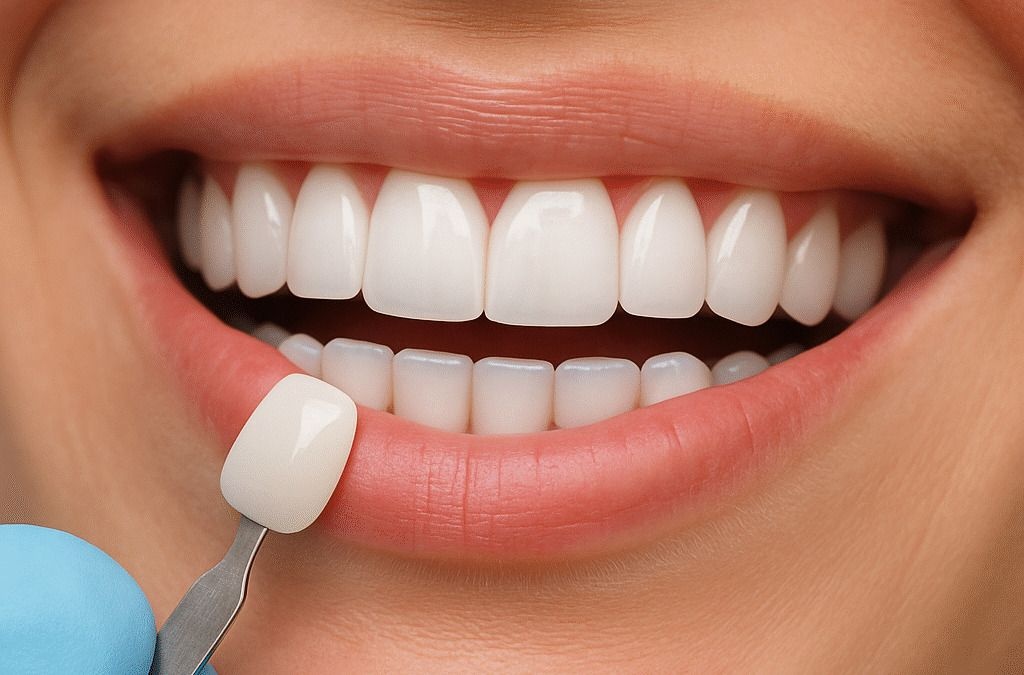
Table of Contents
- Why Can a Tooth With a Veneer Still Get a Cavity?
- Where Can Decay Develop Around Veneers?
- What Increases the Risk of Cavities?
- What Symptoms Should You Watch For?
- How Does a Dentist Check for Decay?
- Does a Cavity Mean the Veneer Must Be Removed?
- Can Fluoride Repair a Cavity Under a Veneer?
- How Can You Protect Teeth With Veneers?
- Should Existing Cavities Be Treated Before Veneers?
- When Does Pain Need Urgent Attention?
- Protect the Tooth Behind the Smile
- Frequently Asked Questions
A smile enhanced with porcelain veneers can look bright and healthy, but appearance does not reveal everything about the teeth beneath them. Whether you already have veneers or are considering treatment, understanding their relationship with tooth decay helps you make informed decisions.
Yes, natural teeth can develop cavities under or around porcelain veneers. The porcelain itself does not decay, but the tooth supporting it remains vulnerable. Veneers improve appearance; they do not eliminate the need for brushing, cleaning between teeth, and regular dental examinations. Cleveland Clinic confirms that natural tooth structure underneath veneers can still develop decay.
Why Can a Tooth With a Veneer Still Get a Cavity?
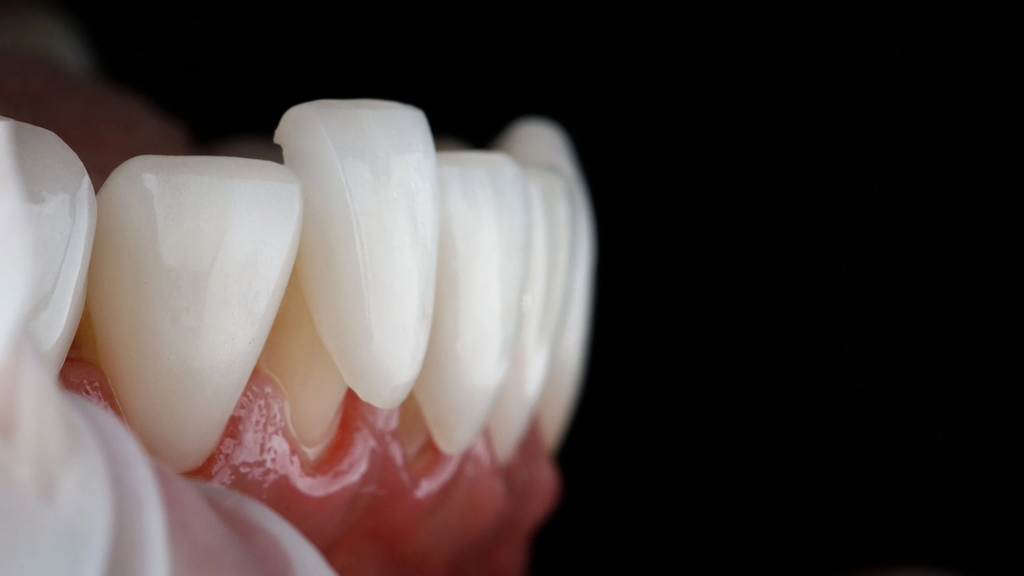
A porcelain veneer is a thin shell bonded primarily to the front surface of a tooth. It does not completely encase the tooth or replace its natural structure.
When discussing porcelain veneers in Agoura Hills, ask how the restoration will fit and how to clean the surrounding tooth surfaces. Agoura Advanced Dentistry provides porcelain veneer treatment for concerns such as chipped, discolored, and uneven teeth. Long-term planning should also address the health of the supporting teeth.
Decay develops when bacteria in dental plaque use sugars to produce acids. Repeated acid exposure removes minerals from tooth enamel and can eventually create a cavity. A veneer does not stop this process on vulnerable natural tooth surfaces.
Where Can Decay Develop Around Veneers?
The tooth surfaces not covered by porcelain remain susceptible to decay. Areas between teeth and near the gumline still require careful cleaning.
The margin—the junction where the veneer meets the tooth—also needs examination during dental visits. Changes in the restoration’s fit or condition may affect whether it continues to protect the bonded surface appropriately.
If you notice a new edge, food trapping, or a change in how floss passes between teeth, arrange an assessment with a dentist in Agoura Hills. Describe what has changed rather than assuming there is a cavity.
A veneer can loosen, chip, or wear over time. These problems require assessment, but they do not automatically mean the underlying tooth has decayed. The American Dental Association notes that veneers may need rebonding, repair, or replacement.
What Increases the Risk of Cavities?
Having veneers does not remove the usual risk factors for tooth decay. Daily habits and existing oral health conditions still matter.
Factors worth discussing with your dentist include:
- Difficulty removing plaque around the gumline or between teeth.
- Frequent sugary snacks or drinks.
- Dry mouth, including dryness associated with medication.
- A history of repeated cavities.
- Changes in the fit or condition of a restoration.
Dry mouth deserves particular attention. Saliva helps protect teeth, and reduced saliva can increase the risk of decay. Tell your dentist about persistent dryness and bring an updated medication list. Do not stop prescribed medication without speaking with the prescribing clinician.
Your dentist can use this information to recommend a prevention plan suited to your needs.
What Symptoms Should You Watch For?
Early tooth decay often causes no symptoms. A veneered tooth that feels comfortable can still need treatment, which makes routine examinations important.
As decay progresses, symptoms may include toothache or sensitivity to sweet, hot, or cold foods and drinks. Visible discoloration can also occur. However, these findings do not establish a diagnosis by themselves.
Contact your dentist about:
- New or persistent sensitivity.
- Pain when chewing or biting.
- A veneer that feels loose or has chipped.
- A noticeable change near the veneer’s edge.
- Swelling or discomfort around the tooth.
Sensitivity can have causes other than decay, including changes following dental treatment. Likewise, a dark line may represent staining or another issue. An examination helps distinguish these possibilities.
Avoid scraping an edge or repeatedly moving a loose veneer to check it.
How Does a Dentist Check for Decay?
The dentist reviews your symptoms and examines the tooth, restoration, and surrounding gums. They may recommend dental X-rays when clinically indicated to investigate areas that cannot be assessed fully by looking inside your mouth.
Tell the dentist when the symptoms began, what triggers them, and whether the veneer has been repaired before. Previous treatment records may also help.
According to the National Institute of Dental and Craniofacial Research, dentists identify decay through examination and may use X-rays to assess it. A photograph or an at-home inspection cannot reliably show the full extent of a problem.
Ask what the findings show and whether the concern involves the veneer, the tooth, or both.
Does a Cavity Mean the Veneer Must Be Removed?
Not necessarily. The location and extent of decay determine whether treatment can preserve the existing veneer.
A cavity on an accessible, uncovered surface may be treatable without replacing the porcelain. If decay extends beneath the bonded restoration, removal may be necessary to reach and assess the affected tooth.
The aim is to remove decay and restore the remaining tooth appropriately. Depending on the damage, the treatment plan may involve a filling, a replacement veneer, or a different restoration. A tooth with substantial damage may need more support than a veneer provides.
Discuss these possibilities before treatment. Ask whether the existing veneer can realistically be retained and how any replacement will match neighboring teeth. Cleveland Clinic distinguishes veneers, which primarily improve appearance, from crowns used to restore badly damaged teeth.
Can Fluoride Repair a Cavity Under a Veneer?
Fluoride can help prevent decay and support remineralization before a cavity forms. That is different from repairing a hole in the tooth.
Once a cavity has developed, brushing or mouthwash cannot rebuild the missing structure. Dental treatment is needed. NIDCR explains that a dentist typically removes decayed tissue and restores the tooth with filling material.
Avoid postponing an assessment while trying whitening products or home remedies. Ask your dentist whether additional fluoride would help reduce your future cavity risk.

Concerned about sensitivity or changes around a veneer? Book an appointment with Agoura Advanced Dentistry for an assessment and personalized advice on protecting your teeth and restorations.
How Can You Protect Teeth With Veneers?
If you are comparing veneers in Agoura Hills, consider maintenance alongside shade, shape, and appearance. Your daily cleaning routine remains essential after treatment.
Practical steps include:
- Brush twice daily with fluoride toothpaste.
- Clean between teeth every day.
- Ask which cleaning tools suit your restorations.
- Reduce frequent sugary snacking and sipping.
- Attend examinations and cleanings at the intervals recommended for you.
Your dentist may recommend extra fluoride protection if your cavity risk is high. Cleaning advice should account for your gum health, dexterity, and any difficulty reaching particular areas. NIDCR emphasizes fluoride toothpaste, cleaning between teeth, and individualized preventive care.
When researching porcelain veneers near you, ask who will provide ongoing reviews and how changes in the restorations will be monitored.
Should Existing Cavities Be Treated Before Veneers?
Yes. Cosmetic planning should begin with an assessment of tooth and gum health.
The American Dental Association advises treating decay and gum disease before placing veneers. Covering unhealthy teeth can worsen existing problems. This is especially important because porcelain veneer treatment commonly involves enamel removal and an ongoing commitment to maintaining the restorations.
Discuss alternatives, expected maintenance, and the possibility of future replacement before proceeding.
When Does Pain Need Urgent Attention?
Severe toothache, swelling, or suspected infection warrants urgent dental advice. Do not wait for a routine cosmetic appointment.
Seek immediate emergency medical care if swelling makes it difficult to breathe, swallow, or speak. These symptoms can indicate a serious problem requiring prompt treatment.
Protect the Tooth Behind the Smile
Porcelain veneers can improve your smile, but healthy natural teeth remain the foundation. Consistent cleaning, preventive care, and assessment of new symptoms help protect that foundation.
Frequently Asked Questions
Can porcelain veneers themselves get cavities?
No. Porcelain does not develop tooth decay. However, the natural tooth beneath or around the veneer can develop a cavity.
Can decay develop without pain?
Yes. Early decay often has no symptoms. Regular examinations help identify problems before discomfort develops.
Does a dark line around a veneer mean decay?
Not always. Staining and other changes can affect the appearance of an edge. A dentist needs to examine it to determine the cause.
Will a cavity always require a new veneer?
No. Treatment depends on where the decay is and how much tooth structure is affected. Some cavities may be treated while retaining the veneer.
Can I stop flossing after getting veneers?
No. Cleaning between teeth remains important because veneers do not make the supporting teeth immune to decay.
Should cavities be treated before getting veneers?
Yes. Existing decay and gum problems should be addressed before cosmetic veneer treatment.